During the following week after Hurricane Helene, many of us walked into a grocery store and found something we never expected to see: empty shelves.
It wasn’t the end of the world. Nobody was fighting over the last loaf of bread. But it did highlight something that many of us had never really thought about before—our food system is incredibly complex, and it doesn’t take much to disrupt it.
A delayed shipment. A labor shortage. A fuel problem. A severe weather event. Most grocery stores don’t keep months of food sitting in a warehouse behind the building. Modern supply chains are designed to move products quickly and efficiently, which works very well most of the time. The tradeoff is that stores depend on a constant flow of deliveries to keep shelves stocked.
The purpose of this article isn’t to create fear. Quite the opposite.
The reality is that our grocery stores are remarkable. They provide access to food from all over the country and all over the world. Most of us can buy strawberries in January, bananas year-round, and vegetables that were harvested hundreds or even thousands of miles away. That’s an incredible achievement.
But it does raise an interesting question.
How much of our food could be produced right here in our community if it needed to be?
When I think about that question, I’m not imagining some dramatic disaster scenario. I’m thinking about resilience.
Resilience means having options.
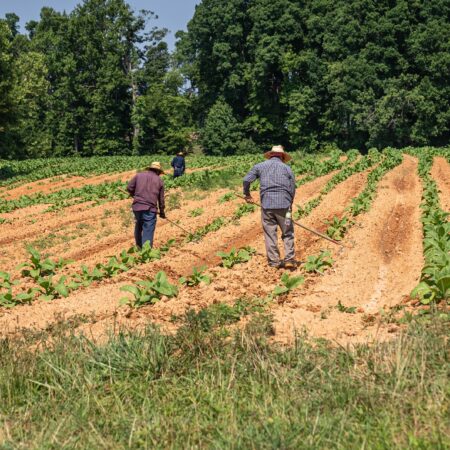
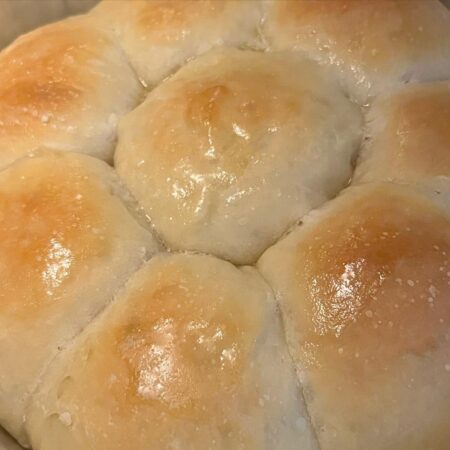
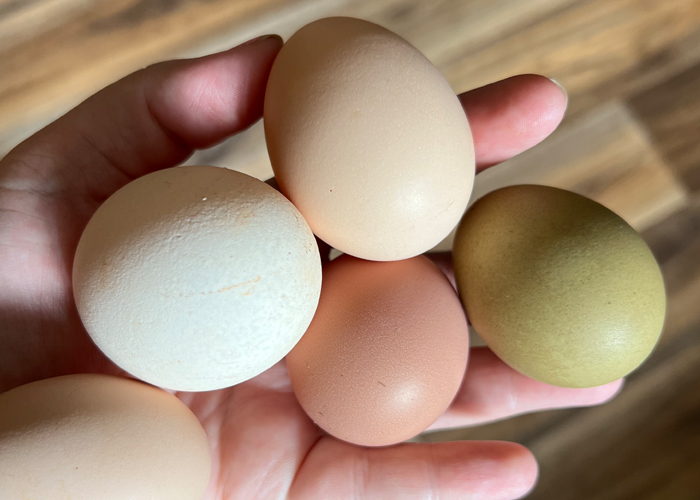
It means having local farmers who know how to grow food. It means having families with gardens. It means having neighbors who raise chickens, keep bees, bake bread, preserve food, and share knowledge. It means having places where producers and consumers can connect directly.
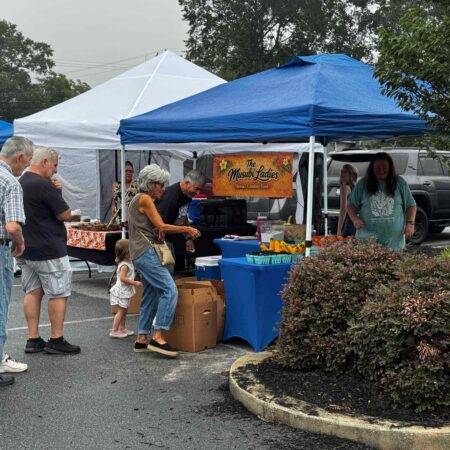
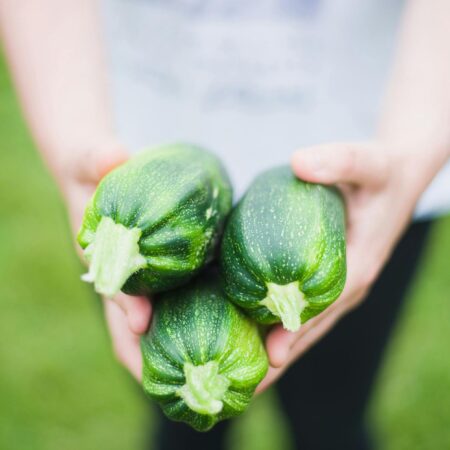
One of the things I love about farmers markets is that they help strengthen those connections. Every tomato purchased from a local farmer is a small investment in local food production. Every loaf of bread purchased from a local baker helps keep those skills alive in our community. Every relationship built between a customer and a producer makes our local food network a little stronger.
Could Lyman feed itself entirely from local sources? Probably not today.
Most communities couldn’t.
But that’s not really the goal.
The goal is to move a little closer every year.
Maybe that means planting a backyard garden. Maybe it means learning how to preserve vegetables when they’re in season. Maybe it means supporting local farmers when you have the opportunity. Maybe it means teaching children where food comes from and how it’s grown.
None of those actions are revolutionary. They’re simply practical.
Communities that produce some of their own food are generally more resilient than communities that produce none. They have more knowledge, more relationships, and more local resources to draw from when challenges arise.
That’s not a replacement for the grocery store.
It’s something different.
It’s a reminder that strong communities don’t just consume food—they know how to produce it, too.
And that’s a skill worth preserving.