One of the challenges facing every community is what to do with organic waste. Every week, households throw away fruit and vegetable scraps, farmers have produce that doesn’t sell, and homeowners bag up leaves and yard debris for disposal. Most of those materials end up in landfills despite being valuable resources that can be returned to the soil.
Recently, I’ve been researching composting systems used by regenerative farms across the country and began wondering what a community-scale version might look like here in Lyman. One concept that continues to stand out is the use of pigs as part of the composting process.
At first glance, pigs and compost may seem unrelated, but farmers have been using pigs for decades to help process organic materials. Pigs naturally root, dig, and turn bedding in search of food. Their behavior helps aerate and mix materials that would otherwise require equipment or manual labor. Farmers such as Joel Salatin have successfully used pigs to help convert manure, bedding, and food waste into valuable compost ingredients.
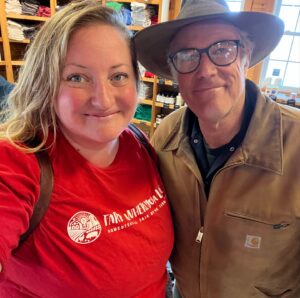
Joel Salatin and I at Polyface Farms in 2024
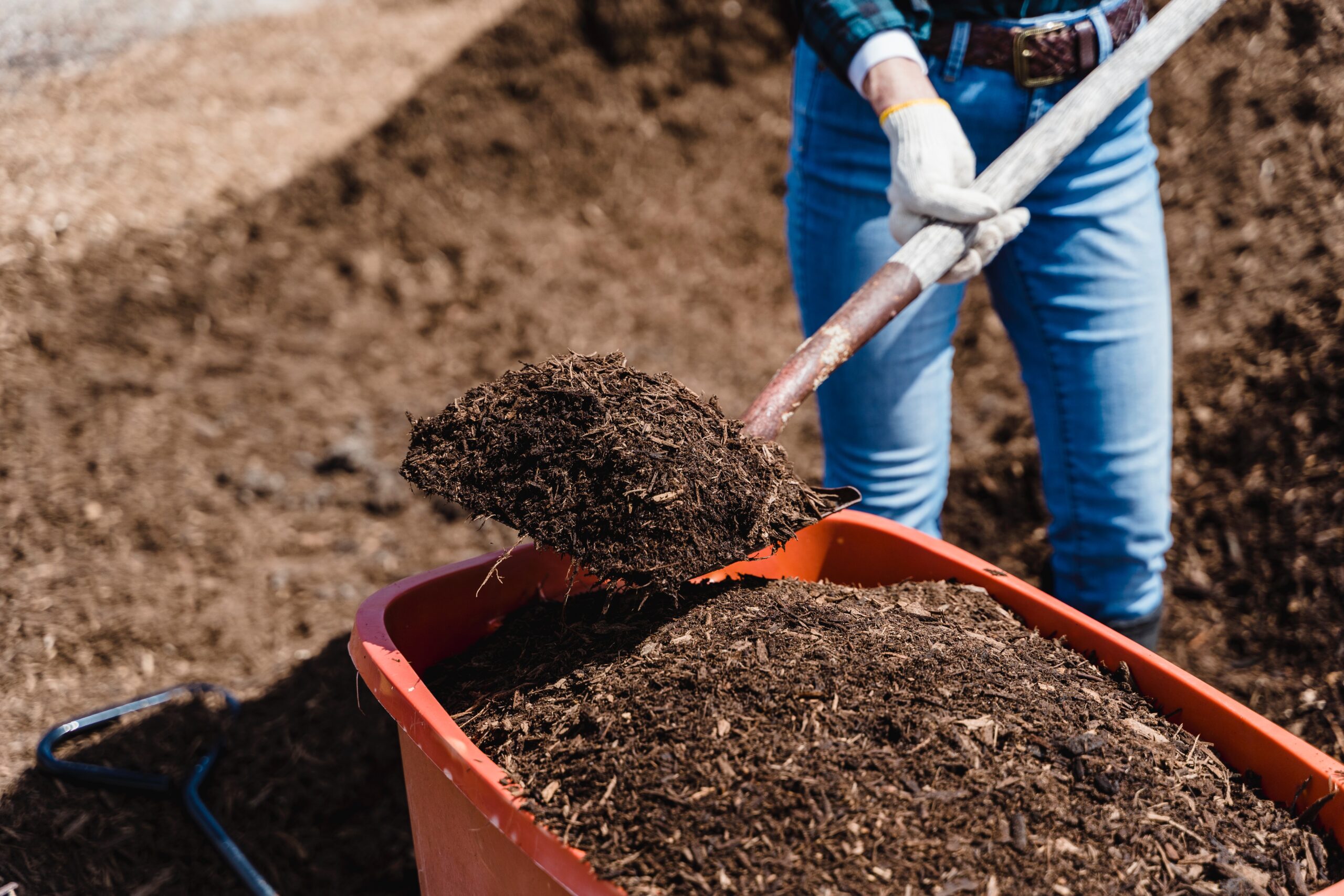
The system I envision would be based on a deep-bedding approach inspired by Korean Natural Farming. Instead of a traditional dirt pig pen, each enclosure would contain layers of logs, wood chips, mulch, leaves, straw, and biochar. These carbon-rich materials absorb moisture, reduce odors, support beneficial microbes, and create an environment where decomposition can occur naturally.
Food scraps from homes, vendors, and local businesses could be added to the system alongside carbon materials such as leaves and wood chips. As pigs search for food and move through the bedding, they help mix the materials together while also contributing manure and urine, which provide valuable nutrients for the composting process.
Over time, the bedding would break down into rich organic matter that could be cured and used in gardens, landscaping projects, community growing spaces, and local farms. Rather than viewing food scraps and yard waste as garbage, the community would be treating them as raw materials for building healthy soil.
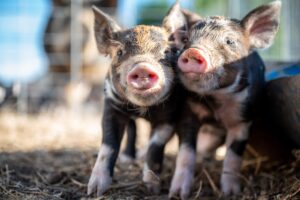
A project like this could help divert a significant amount of organic material from landfills while creating a local source of compost. It could provide educational opportunities for families and students to learn about soil health, composting, livestock management, and food production. It could also help support community gardens and other local growing projects by making quality compost more readily available.
Another advantage is that the system relies heavily on resources that are already abundant in our area. Tree companies often have wood chips they need to dispose of. Homeowners generate leaves every fall. Farmers produce bedding materials, and households create food scraps every day. By combining those resources in a structured way, we can transform multiple waste streams into something beneficial.
What excites me most about this idea is its practicality. Rather than requiring expensive technology or complicated infrastructure, it uses natural processes that have been working for generations. The pigs perform work they naturally enjoy doing, microbes do what microbes are designed to do, and the end result is healthier soil.
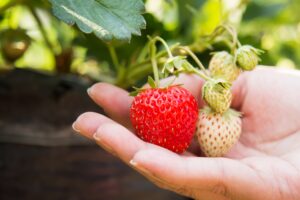
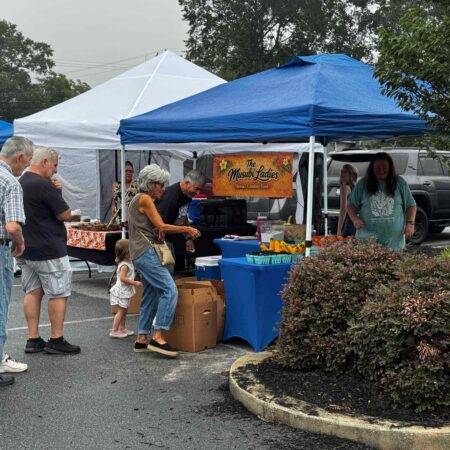
The Lyman Farmers Market has always been about strengthening local food systems and supporting the people who grow and make things in our community. A project like this would be another step toward that goal. It would connect residents, farmers, gardeners, and families through a shared effort to improve our local environment while producing something of real value.
Good soil grows healthy food. Healthy food supports healthy families. Building systems that create both is an investment in the long-term future of our community.
What are your thoughts or reservations about a project like this?