Most people don’t think much about where their food comes from.
We’ve gotten used to grocery stores filled with produce from thousands of miles away, shipped in on trucks, sitting in warehouses, and arriving on shelves long after it was picked.
And somewhere along the way, we stopped seeing food as part of a living system.
But food was never meant to be disconnected from the land, the people, and the community around it.
That’s one reason I’ve become so passionate about composting and supporting local food systems. Long before Lyman Farmers Market, we were trying our hand at homesteading, shopping local and learning hard lessons along the way. We found out how hard it was to buy healthy soil to put in our garden.
Because healthy communities begin with healthy soil.
When soil is cared for, it holds more nutrients, grows healthier crops, retains water better, and becomes more resilient over time. But modern food systems often treat soil like a factory instead of something alive. Over-farming, chemicals, and waste have stripped many soils of the very nutrients that once made food truly nourishing.
“The soil is the great connector of our lives, the source and destination of all.”
Composting is One Small Way to Change That
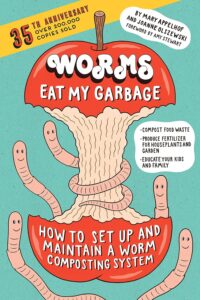
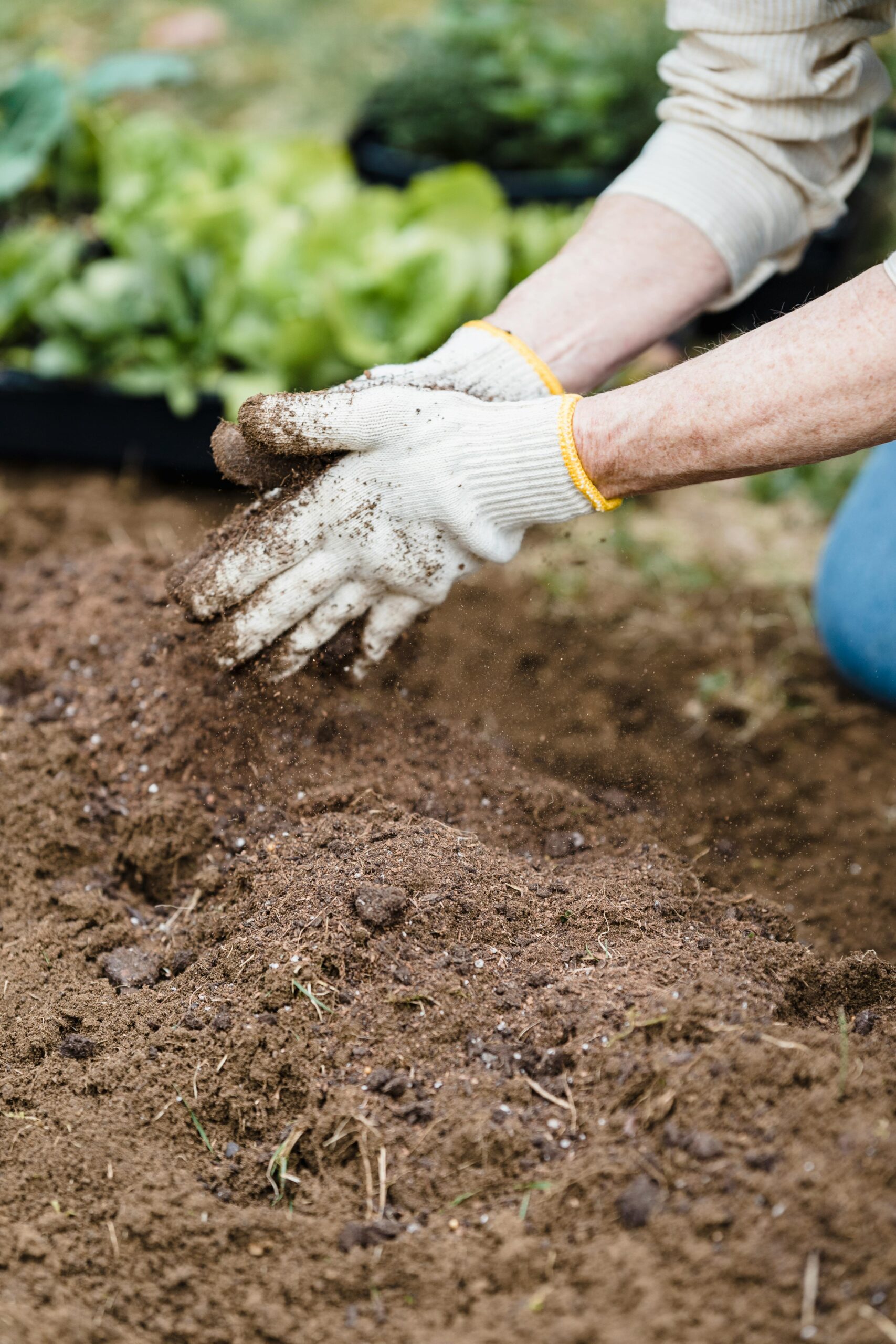
Instead of sending food scraps to landfills where they create methane gas and waste, composting returns those nutrients back to the earth where they belong. Vegetable peels, coffee grounds, leaves, and leftovers become rich organic matter that feeds the soil instead of polluting the environment.
Nature has always worked in cycles. Nothing is wasted in a healthy ecosystem. Leaves fall, break down, feed the soil, and help grow new life again. Composting simply allows us to participate in that natural process instead of interrupting it.
And local food plays a huge role in that cycle too.
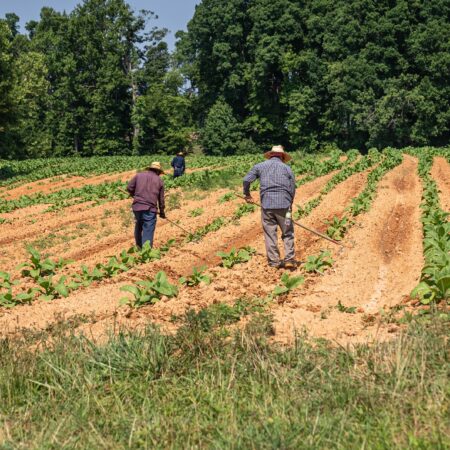
When we buy produce from local growers, our dollars stay in our communities instead of disappearing into massive corporations far away. We help support family farms, local jobs, small businesses, and the people who are actively stewarding the land around us.
But it goes even deeper than economics.
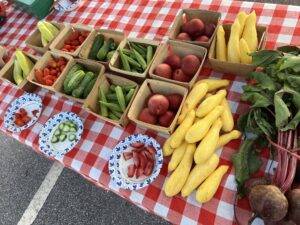
Local produce is often fresher, more nutrient-dense, and grown in season the way nature intended. Food picked nearby doesn’t have to survive cross-country shipping or weeks in storage before reaching your table.
There’s also something deeply meaningful about knowing the people who grow your food.
Knowing their names.
Seeing their faces.
Watching your children meet the farmers.
Building relationships around something as simple and essential as eating.
That kind of connection changes communities.
For me, this isn’t really about trends or politics or perfection. It’s about remembering that we belong to the land we live on, and that our choices matter. Because when we invest in healthy soil, we’re investing in the future health of our families, our communities, and the generations that come after us.
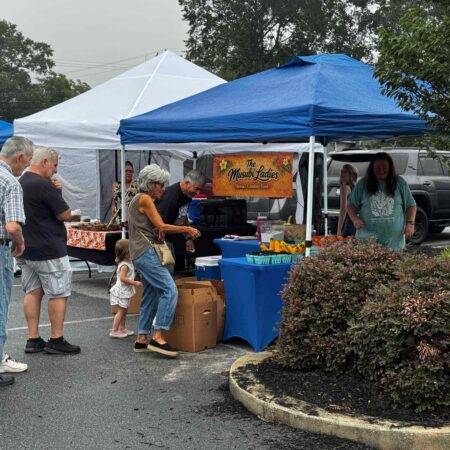
I think people are hungry for that connection again. Not just better food. Not just cleaner living. But a better relationship with the world around them. The same old values that America was built on are becoming important again. I see it every weekend at the Farmers Market.
Folks want to connect again. <3
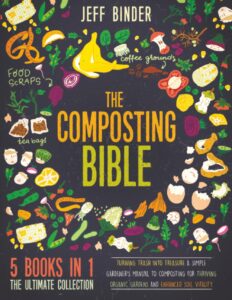
Great resources about Composting: